

Visiting Jamaica is truly a sensory experience. Not only does one see astounding beauty and feel that warm Caribbean sun, but one also hears every night a collection of chirps, croaks, and hoots that fairly falls between a symphony and a cacophony. This unmistakable ruckus, which persists until birdsong takes over at dawn, is the work of an array of nocturnal lizards and amphibians. While the local (and vocal) tree frogs eluded my gaze, the lizards on the grounds of Hotel Mocking Bird Hill were anything but shy. In fact, some were a bit too curious for their own good, like this lizard I found lounging in the dregs of my papaya juice one morning:
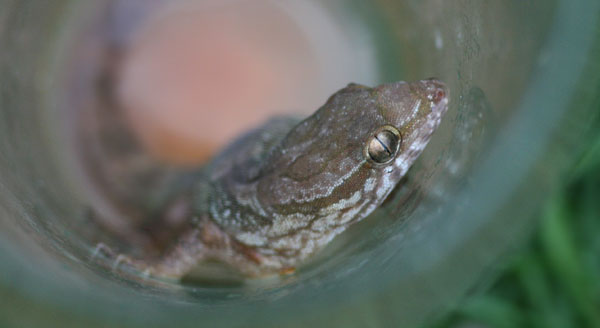
Gecko on glass
This gilt-eye interloper is Aristelliger praesignis, otherwise known as the Jamaican Croaking Lizard. Croakers are insectivores, which doesn’t explain why this one wound up in my glass. After I extracted my pound of flesh in the form of a few images, I set it free.
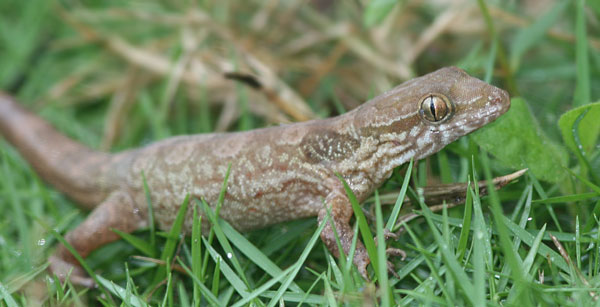
Rumor has it that croakers are extremely unwelcome in Jamaican homes but I didn’t observe any untoward animosity towards these or any other lizards during my stay! Of other lizards, there were many. Most of them were typical anole species. All of them were awesome, which may be an unscientific, overly sentimental way to describe wildlife observations but, hey, where I grew up, we didn’t have cool lizards crawling the walls!
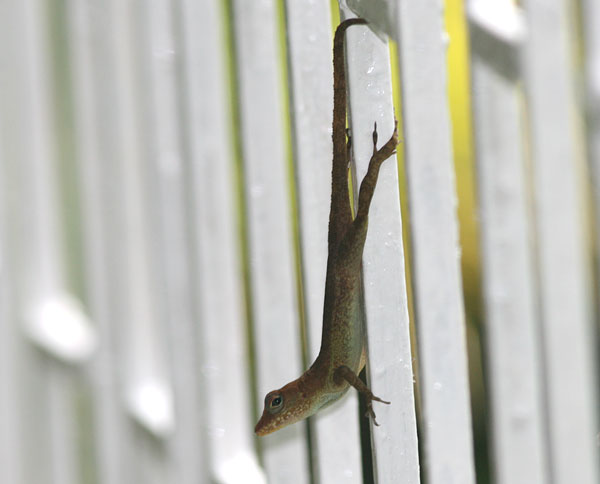
Jamaican Brown Anole (Anolis lineatopus)
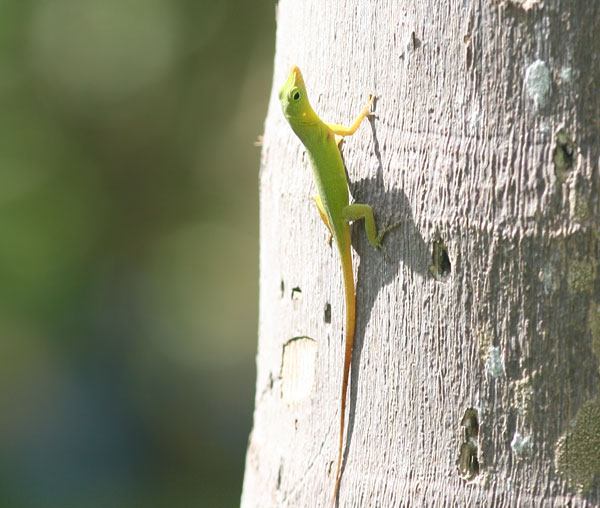
Jamaican Giant Anole (Anolis garmani) – juvenile




I saw Aristelliger lar in DR – this genus has some huge geckos in it! Wouldn’t want one of the big one lurking in my breakfast!
Hey, I think ‘awesome’ is a perfectly acceptable term. and appropriate. I too find them awesome. nice post, cool photos !
Jamaica is a beautiful island with a lot of wildlife..but I didn’t find any in my juice….My HoH Exaggeration is to paint a snake and add legs
I sometimes wish I lived in a climate warm enough to have lizards on my walls. That’s one of my favorite things about traveling to tropical climates. Beautiful photos.
I just came back to Jamaica as a retiree and find the croaking lizards frequenting my home. I am very afraid of them and would like to know if you know of anything that can kill them or at least keep them out of the house.
Marjorie
Please don’t be afraid of your croaking lizards – the superstition around these guys is just that: superstition. They can’t harm you in any way. In fact because they eat insects they will most likely make your home more hospitable than it might otherwise be by eating mosquitos, flies, moths or cockroaches that come in from the surrounding areas.
In fact I would encourage large geckos like these in my home when living in the tropics for just that reason.
If the croaking is truly disturbing you the best course may be to reduce the amount of cover the lizards can use to hide in the day time (shelves, clutter, etc, etc) as this will make them feel less comfortable in your home.
Tai
I am from Jamaica and I would like to point out that there is a type of anole that can change it’s color like a Chameleon. The green anole and the brown anole that you posted may yet be the same species of lizard, heck they might even be the same lizard entirely.
I am from Jamaica and i absolutely hate all lizards especially the croakers! That’s on reason why i left the island. I do not miss them at all. I know that they are harmless but they give me the creeps. Croakers totally messed up my vacation at my parents’ house a few years back. You can have them all YUCK!
I am sitting here listening to the evening symphony, and watching two croaking lizards high up on the wall singing their little hearts out. Actually, when they’re croaking, they look like they’re having hiccoughs! Jamaicans’ hostility towards lizards, frogs, snakes and alligators is just remarkable and really sad. It’s even enshrined in the school system; teachers who have inherited the irrational fear of them won’t even teach or give adequate information for children to develop an appreciation of their value to our ecosystem. So we have adults, men and women alike, running – literally – at the sound of the word “lizard” – and shrieking at the sign of them. Children kill them at every opportunity. There’s little value for the natural environment, so thank you for reminding us about what we have and mistreat out of ignorance.
I live in Jamaica and lizards of every kind totally creep me out, especially croaking lizards. I absolutely hate them. The fear I have of them makes my life a living hell, for they are everywhere- in the house, around the house, in trees, and anywhere uninhabited. Americans would probably find them fascinating, but I kill them when I see them in my home.
Its really sad that most jamaicans feel this way about the wild life around them, fact is most of them act and speak out of fear towards these little creatures that gets killed. insects can be terrible pests but they are important too, i am a jamaican and i love lizards but i fear them like most jamicans do, i don’t know why this is. jamaicans tend to be cruel to most animals, but its time they appreciate the wild life and beauty of jamaica.
I’m a Jamaican and find this love of lizards absolutely amazing. Growing up it was just the norm that we kill lizards. I can’t remember ever being told that it was inhumane, wicked or any of those polite words, I was never afraid of any but I always kill on sight. Couldn’t and still can’t explain it. How does one change such an entrenched stigma?
I agree 100% about my people’s under appreciation for the fauna of their country
I laughed when you said you didn’t observe any untoward animosity towards croakers while in Jamaica – it made me think that you hadn’t stayed long, nor gone very far. 😉 It is indeed a shame that so many Jamaicans are afraid of croakers. That said, my aunt allows two of them to lurk in her house, because they eat the cockroaches… how is that for a trade-off?!
Recently while visiting, I saw another species identified as croaking lizards by some. These are pale brown, nearly yellow and they only live in houses unlike the feared croaking lizard of my youth. Some people have said they arrived in the island in imported wood products. Can anyone shed any light on this?
Most geckos eat soft fruits and nectar supplementally. But I didn’t know that they would be so audacious to climb and fall into a glass.
Just tracked down the croaker that has been leaving droppings in my living room. Caught up with it at 3:00 AM with the help of a flashlight. I would find these droppings each morning, but could never locate the beast. This morning as I walked in from the veranda I heard a plop! on the floor and turned in the dim light to see it had just missed jumping on me. With the flashlight I studied it a while, watching it’s subtle movement as it tried to blend into the wall and not be noticed. It outwaited me and vanished during my brief absence. Game on tomorrow,
Jamaicans treatment of their environment is disgusting, their hate of all things wild and living far surpasses their love of music. It is in their very DNA to kill any living thing that they don’t understand.
Their willingness to kill off the very environment that sustains their very lives is unbelievable, living in Jamaica is depressing this is the most environmentally unfriendly place I have ever encountered. Only when the last fish is taken, the last lizard is killed and the island is overtaken by famine and disease will they begin to understand the reasons why their actions are so very wrong.
“You don’t seem afraid that black bird stop eat tick off of cow,
You don’t seem afraid that john crow (vulture) stop eat dead carrion.”
Cholera by The Jesters
In the 1970’s (I think), they used music to point out the tie between a deadly disease outbreak and disregard for the environment.
So far ahead of their time!